











For some time now, it hasn't just been the lure of a pub crawl along the Reeperbahn or a harbour tour that draws people to Hamburg — it's the prospect of pulling a serious predator from the cool water. The Hanseatic city on the Elbe is well known for exactly that. Particularly popular is what's known as streetfishing, where you pursue your hobby right in the heart of the city, surrounded by buildings, traffic noise and passers-by.
How Does Streetfishing Work?
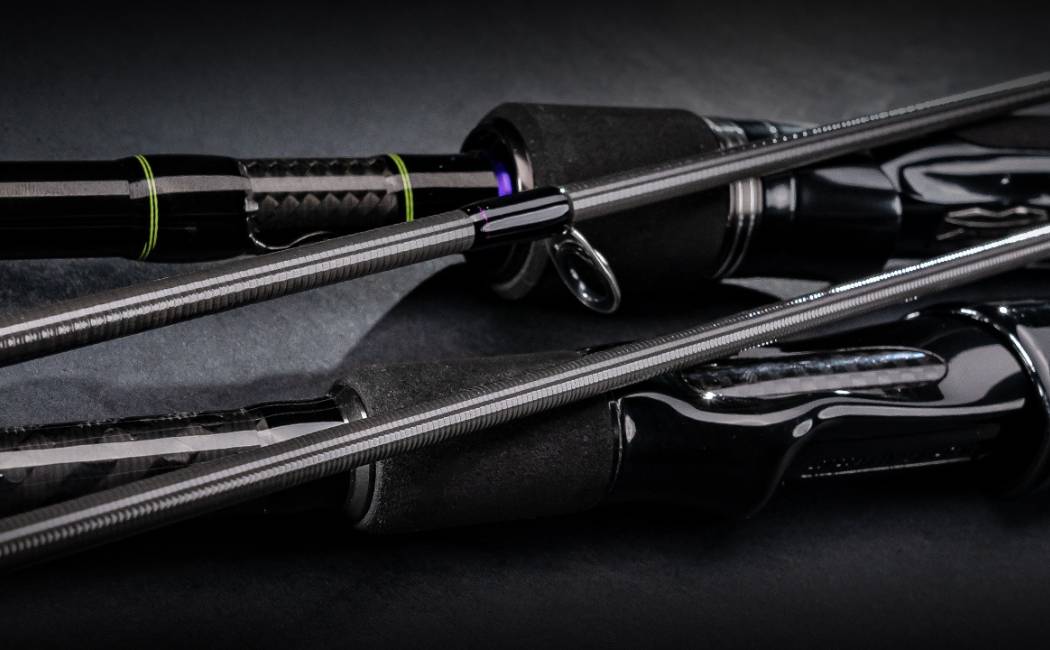
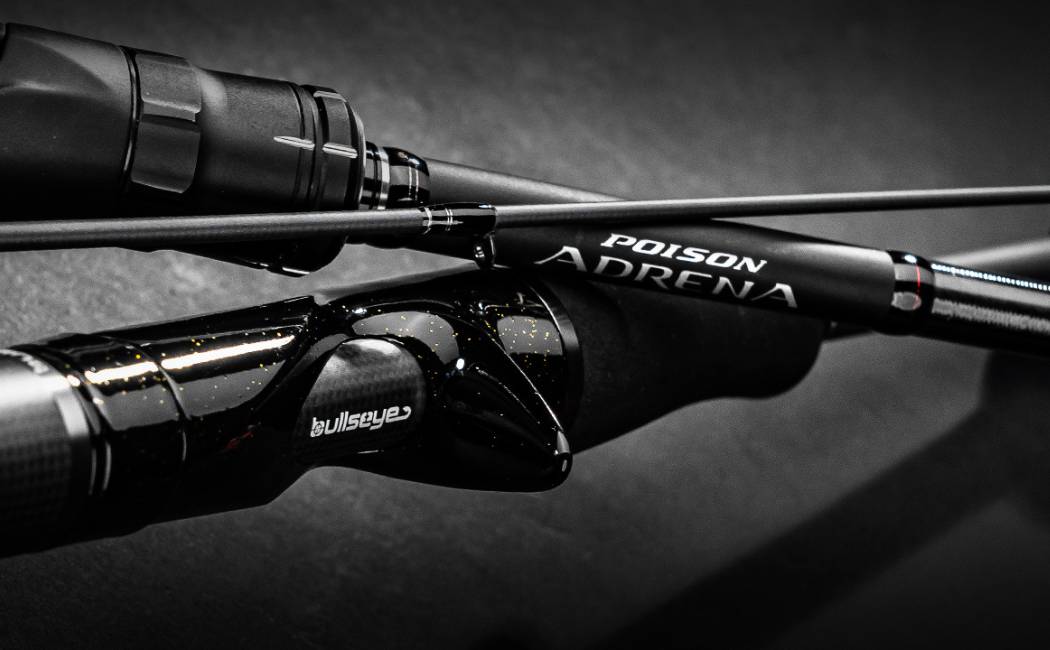
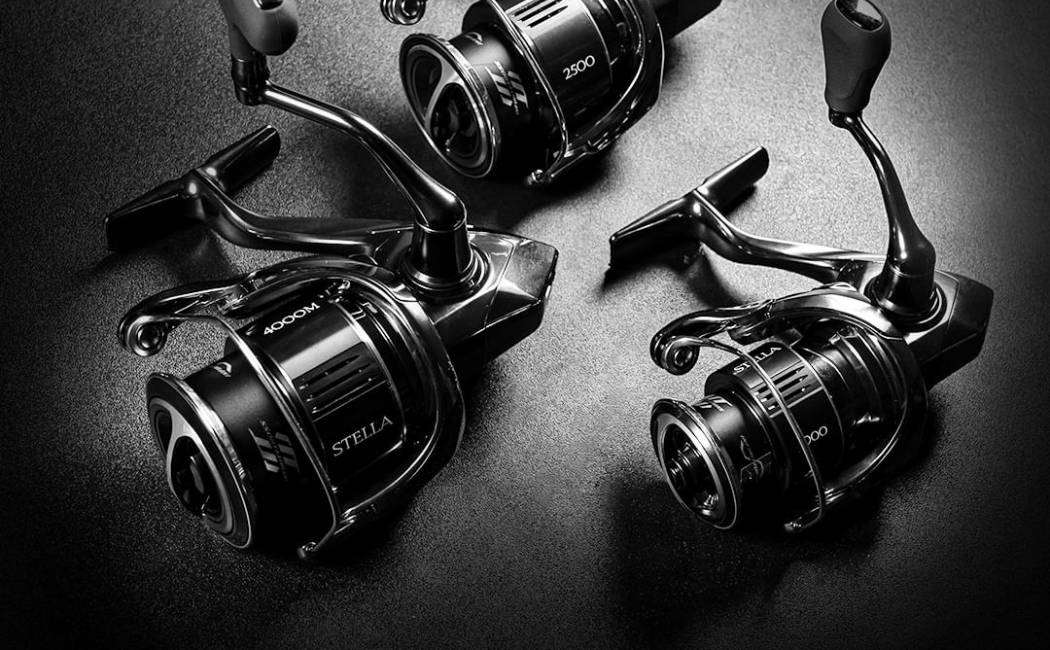
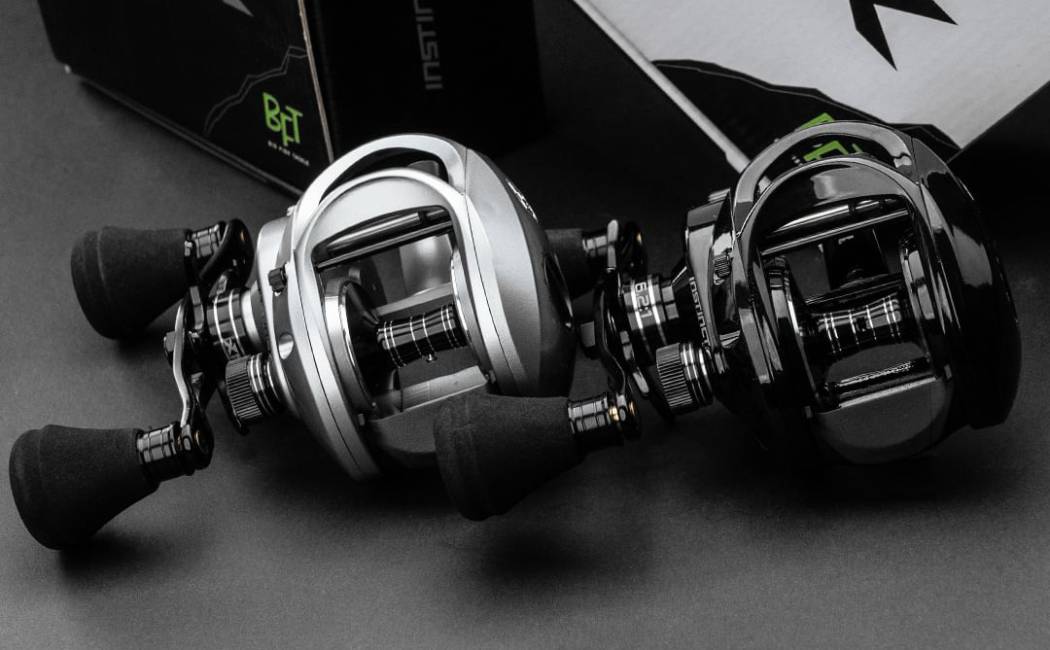
You don't need much. A spinning rod, a small selection of suitable lures, a long-handled landing net so you can safely land a fish from height when the moment comes, and your fishing licence. At many waters, that's genuinely all the paperwork required, since Hamburg has plenty of waters that are free to fish.
The idea of streetfishing originated in France, where anglers would meet along the waterways of Paris to target fish together. The trend spread to the USA, the Netherlands, Japan, and eventually to Germany.
Fishing in the Spotlight
For newcomers, casting a lure through the water in the middle of a city is undeniably an unusual feeling. Curious looks and questions are par for the course:
'Moin! Tell me, are there actually any fish in there?'
or
'Can you even eat them?'
Experienced streetfishers have long since grown used to it.
Once you've found your spot for streetfishing (a list of good locations appears at the end of this article), it's time to get casting.
What Fish Are There in Hamburg City?
There's no shortage of fish: non-predatory species and predators alike, roach and wels catfish. As committed predator anglers, the latter are naturally of greatest interest to us. With a bit of luck you can catch asp, zander, perch, wels catfish and even pike in Hamburg's waters. Coarse anglers have their chances with the usual non-predatory species, but that's beyond the scope of this article.
Fishing for Zander
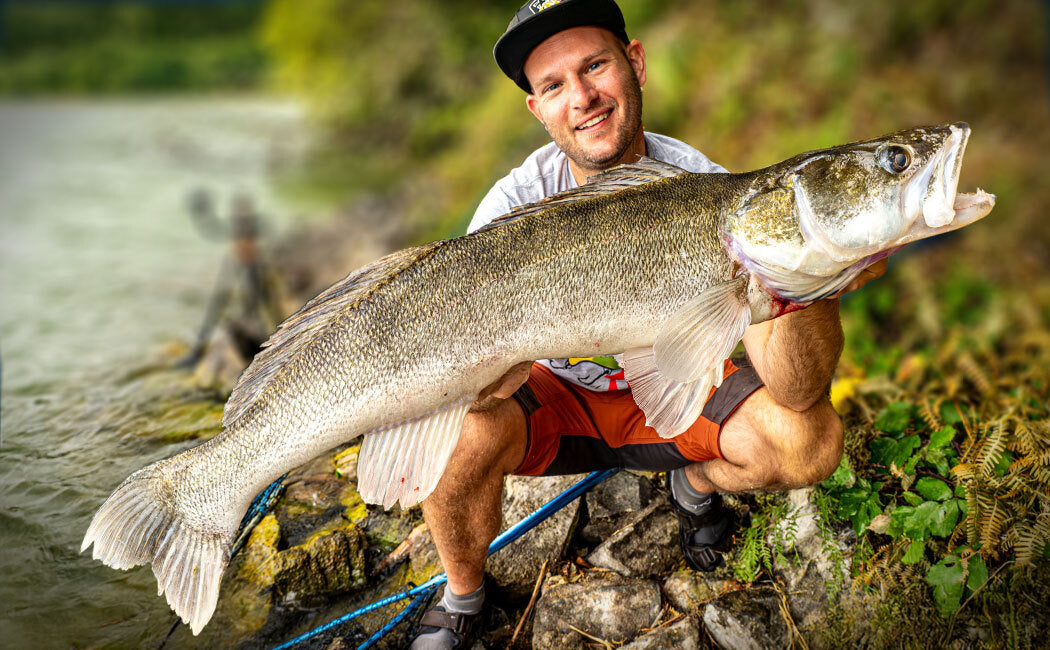
The dominant predator in the Elbe — Hamburg's largest water — is undoubtedly the zander, which is why Hamburg is known among anglers as the zander city. From the start of the season (mid-May) but especially through the cooler months, catch prospects and average sizes are genuinely excellent by national standards. The city zander from the supposedly 'dirty' Elbe are, incidentally, very fine table fish.

Daniel with a zander in Hamburg
The most common rig for zander is straightforward: tie roughly half a metre of fluorocarbon to your main line, attach a snap at the end, and clip on a jig head with your chosen lure. Cast it as far out as you can, then work it back across the bottom — keep the rod still and hop the lure along with one or two turns of the reel handle, then let it fall back. With a bit of luck comes the 'tock', the moment the zander inhales the lure, most often during the drop.
On days when zander are particularly cautious, focused fishing is essential — a tentative take is easily missed. The moment you feel a pull in the line or the rod loads up, sweep the rod firmly upwards to drive the hook home and make sure the fish is properly on.
One drawback of bank fishing for zander is the risk of snagging on rock armour or other obstructions. It often helps to apply a little pressure with your hands and then let the line spring back sharply. That sudden jolt will frequently free a snag.
The last time we went after zander from the bank in Hamburg, we had the camera rolling:
Fishing for Asp
The warmer months in Hamburg are an ideal time to tempt another predator at the streetfishing spots: the asp. These 'freshwater torpedoes' are easy to locate. Watch the water around bridge pillars and you'll often see small baitfish scattering in a panic — just beneath them, a deep-backed predator whose torpedo-shaped body is perfectly adapted to fast-flowing water.
The approach here is beautifully simple: clip a spinner or a shallow-running plug onto the snap, cast it out and retrieve it at a deliberately brisk pace. What follows — hopefully — are savage takes and breathtaking fights, because asp are incredibly powerful.

Asp are best outwitted during streetfishing near bridges
Fishing for Perch
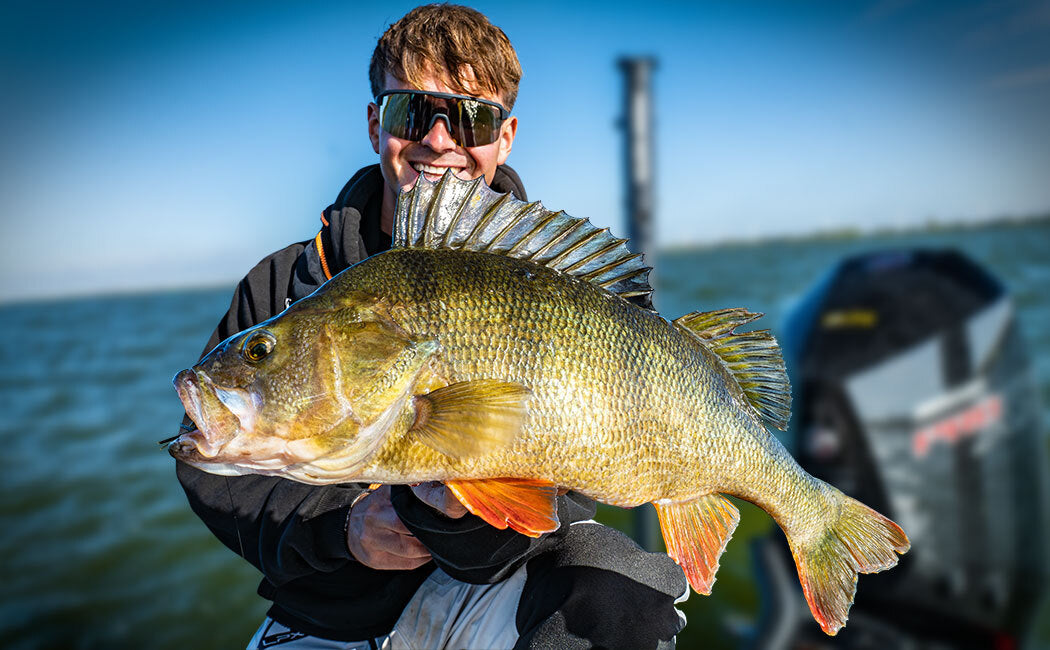
Perch aren't just a by-catch when zander fishing — you can target them very effectively on a drop shot rig, for instance. Take a thin piece of fluorocarbon around 70 cm long and tie a single hook roughly in the middle. Thread your lure onto the hook — for example by 'nosehooking' it through the nose. At the bottom of the rig, attach a weight to keep contact with the bottom throughout the retrieve, which is crucial for presentation. After casting, work the lure slowly across the bottom with gentle twitches of the rod tip, making sure the weight never lifts off the bottom.
Lures for Streetfishing
Zander Lures
For zander, soft lures up to 14 cm work particularly well. Since you rarely have the option of vertical jigging from the bank, the lure itself should carry its own action in the water. Which colour you choose depends partly on weather conditions and water clarity — you can read more about that in our article on colour selection for soft lure fishing. A great selection of highly effective zander lures is available in our shop.
Asp Lures
Asp are generally caught very close to the surface, so shallow-running plugs, spinners or even poppers work brilliantly. Lures up to 9 cm are ideal, and you'll find some great asp lures with us too. During the fast retrieve, the odd short pause can be worthwhile, giving the fish a chance to lock onto the lure. Asp do miss the bait fairly often — no matter, simply cast back to the same spot and hope the fish hasn't already set its sights on something else. One important point: if you get a take when asp fishing, don't strike — you'll only pull the lure clean out of its mouth.
Perch Lures
Good perch lures include small crayfish imitations, soft lures and worms on a drop shot rig. Other rigs such as the Carolina or Texas rig work just as well. Small soft lures worked slowly along the bottom — in the same way as for zander — are also very effective.
Pike Lures
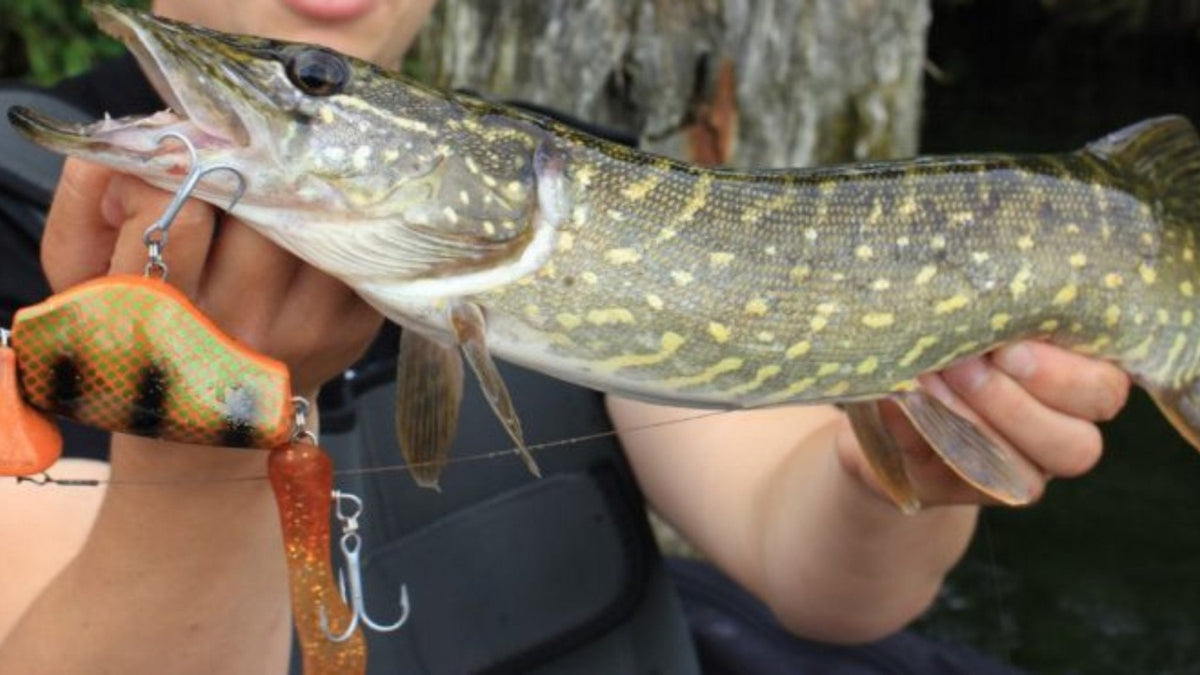
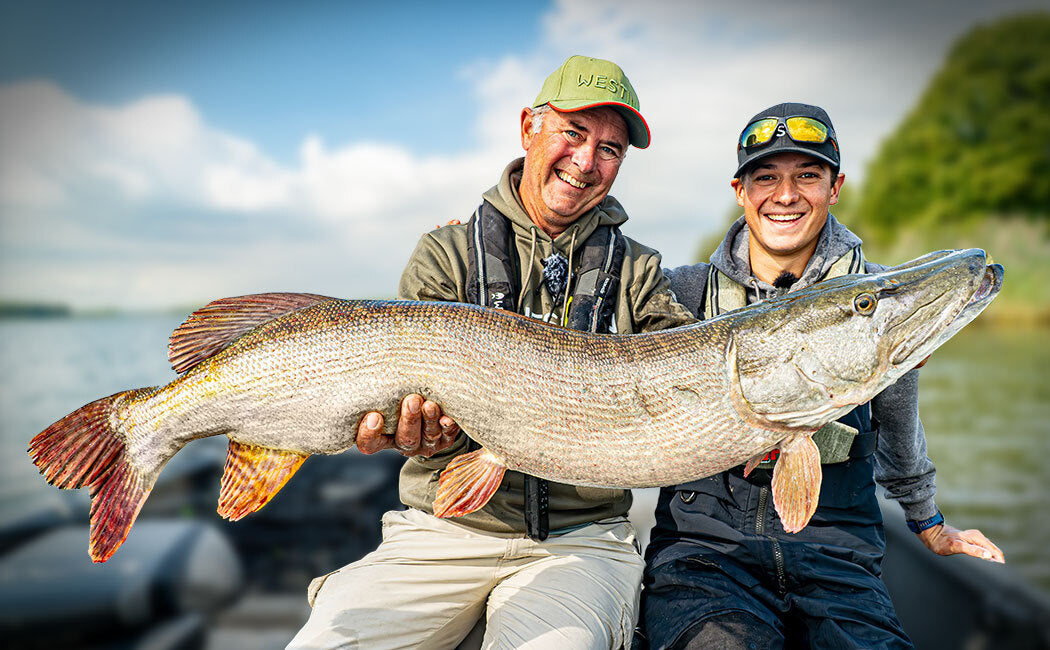
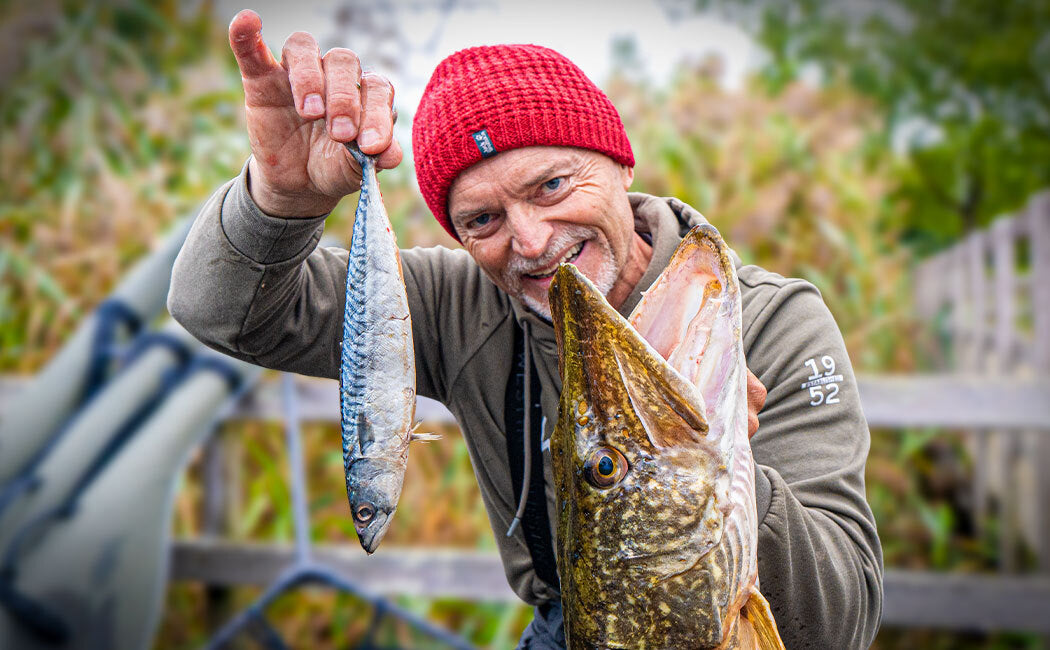
For pike, larger soft lures, plugs and hybrid lures are the go-to options. Hamburg and the Elbe in particular aren't renowned for a strong pike population, but the Bille and the Alster certainly hold some fine specimens.
Good Spots
The best lures and the right technique count for little if you don't know where to start. Here's a short list of good bank fishing spots where you stand a solid chance of doing well at streetfishing.
In Hamburg, the tidal Elbe means it's always worth checking the tide tables before you head out — some spots are genuinely very tide-dependent.
- Baumwall, around the bridges
- In front of the Elbphilharmonie
- Stadthausbrücke — a reliable perch spot
- At the Landungsbrücken, in low-flow conditions (two hours either side of the tidal change)
- Kattwykbrücke
- Sandtorkai — good on the incoming tide
Streetfishing with a Guide
If you don't know the area and aren't sure where to go, a knowledgeable and personable guide can make all the difference:
Florian Penno from the Angelschule BarramundiBay offers guided sessions on the Elbe and knows the bank fishing spots and their quirks inside out. If you have questions or want to book a guided trip, get in touch — you'll be in very capable hands.
We hope you have a great time and plenty of success on the water during your next visit to Hamburg!
The Pike & Perch team.