








One topic that never stops generating heated debate is the rig — or more broadly, the tackle setup for lure fishing. I'd like to dedicate this piece to a few core principles that can help every predator angler get fish on the hook with as little frustration as possible. As I work through the individual components, you'll notice that I steer away from the typical pro advice — because beginners often have to balance maximum enjoyment against a limited budget.
Rod
On the rod, I'll keep things brief here, because it's a vast subject I'd happily revisit another time.
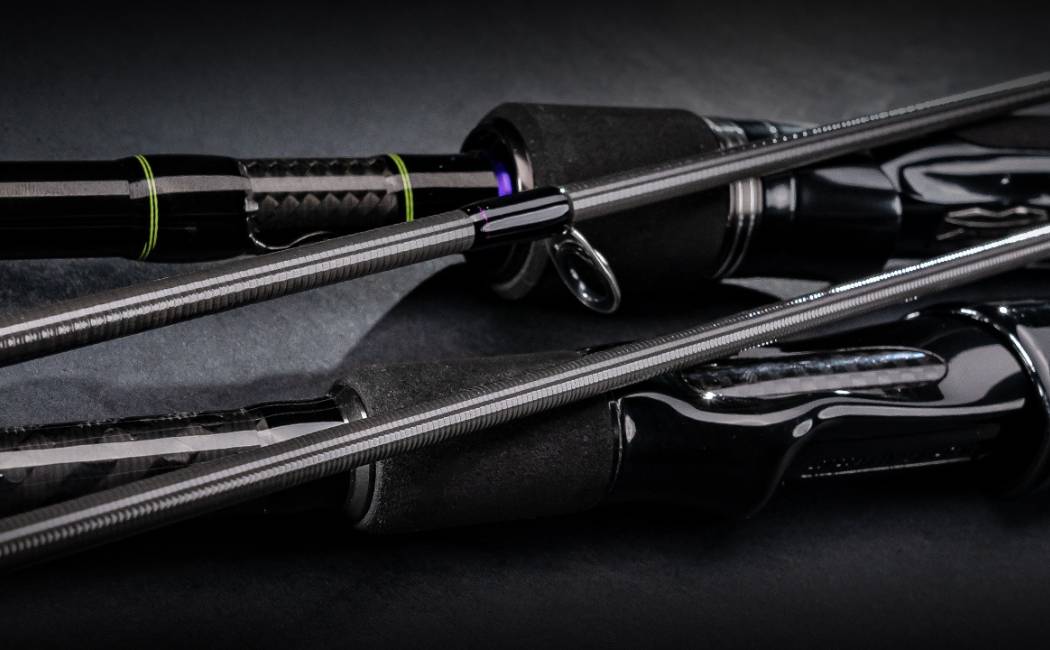
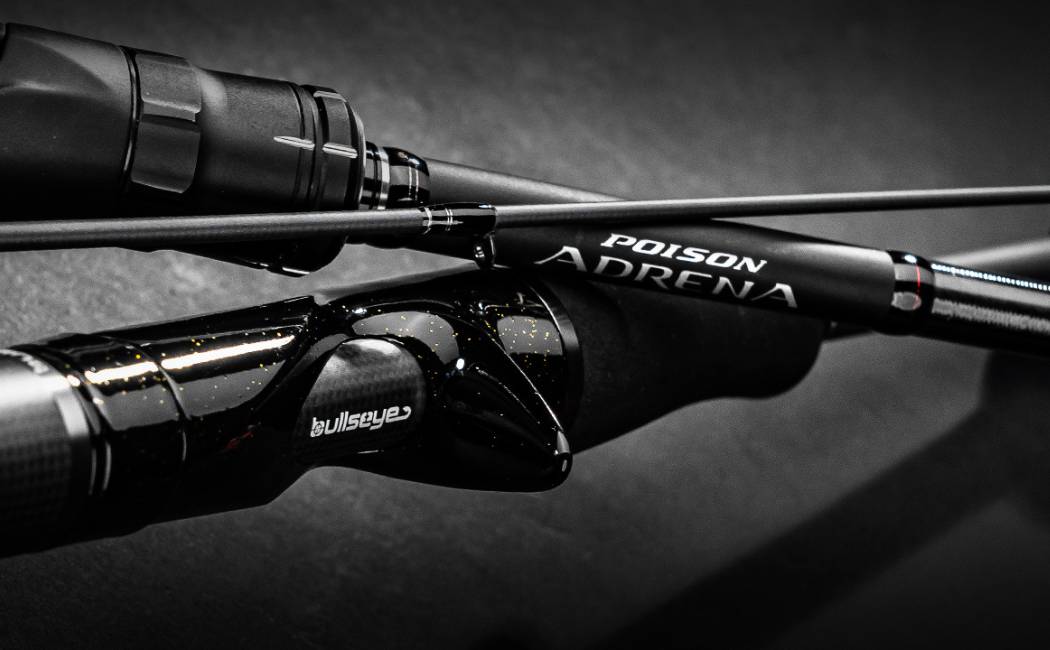
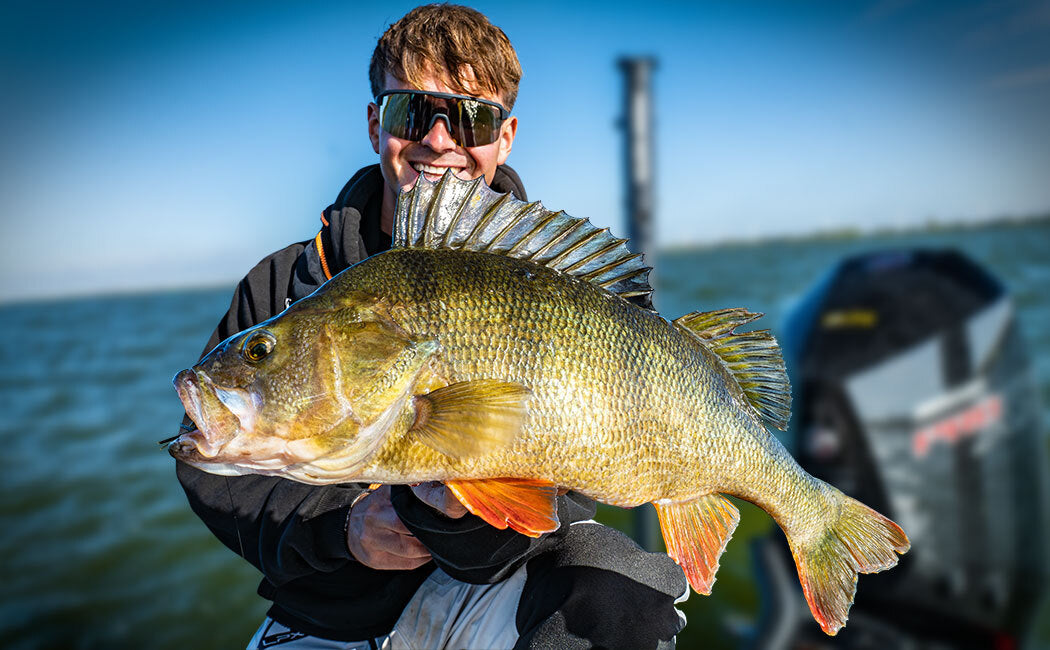
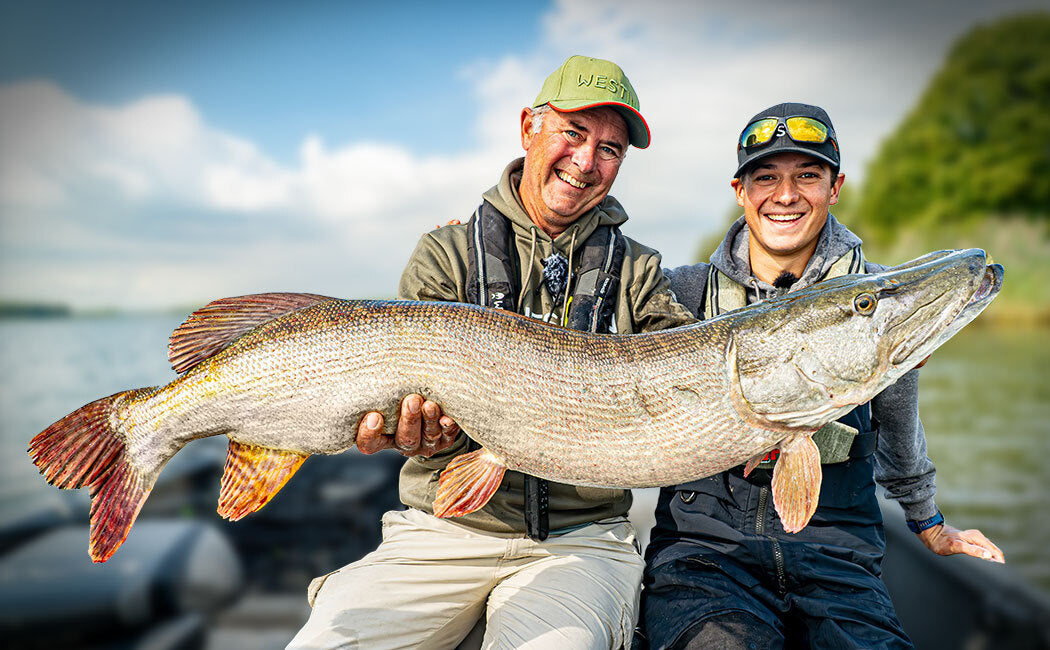
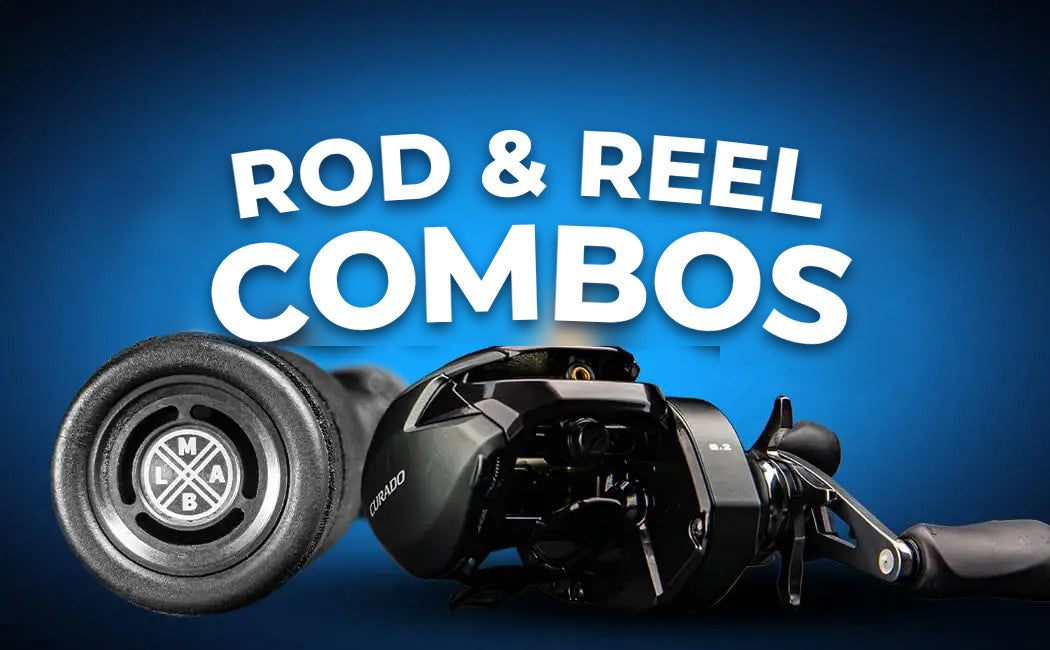
These days I fish exclusively with the #LMAB Custom Rod, with a casting weight of 5–35 g, because it's equally well suited to perch, pike and zander. It's sensitive enough to detect the subtlest perch bite, yet has enough backbone to play metre-long pike with confidence. Beyond features like a fine tip action, balanced weight distribution throughout the blank and quality rings, the one thing that matters most to me is bite detection.
Why Good Bite Detection Matters
Your goal should be to tell a bite apart from an underwater snag. Beyond factors like experience and skill, your tackle setup can make a real difference here — and it starts with the rod. After a while it should feel like an extension of your finger, so I'd advise against vague, floppy rods. You'll still catch the odd pike on one — but only when it takes the lure deep and aggressively. A crisp, responsive rod, on the other hand, lets you detect even tentative bites and strike within half a second.
Never forget that every angler goes through a long learning curve, and something like bite detection takes a great deal of experience. Every fish you miss teaches you something, and the next time around you're that much more likely to hook that predator cleanly.
Reel
Now, briefly, the reel. Even if many of you more experienced anglers are already bristling, here's what I'd tell any beginner:
If your budget is tight, you don't need a premium reel from day one.
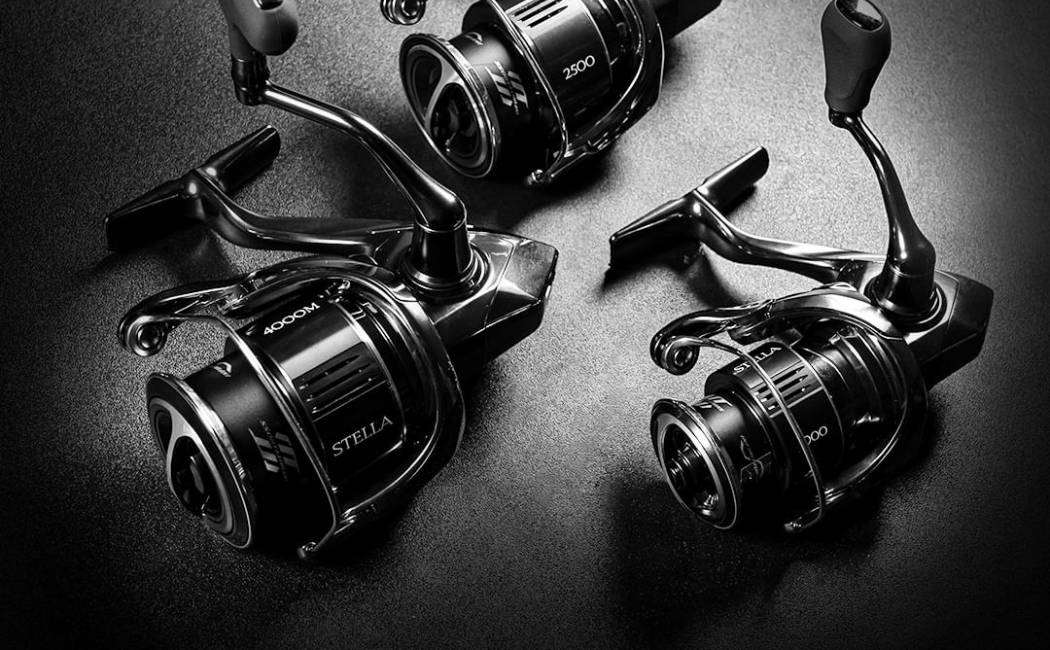
The budget-friendly models from established brands are perfectly adequate to start with. The Sienna and the Catana from Shimano are probably the most popular entry-level fixed spool reels around, and for good reason — the value for money is hard to beat.
Reels need a decent drag and a minimum standard of build quality so they don't let you down during the fight. I'd therefore steer clear of no-name products. Many beginners I know fish entry-level models from proven manufacturers and are perfectly happy with them — until, often after a few years, their expectations grow.
For a long time I fished with the Shimano Aernos — an excellent reel from the mid-price bracket.
Line and Leader
Now I come to the part of the tackle setup that means the most to me in this article: line and leader, and their breaking strains. This is the area where beginners tend to have the most unanswered questions.
Main Line
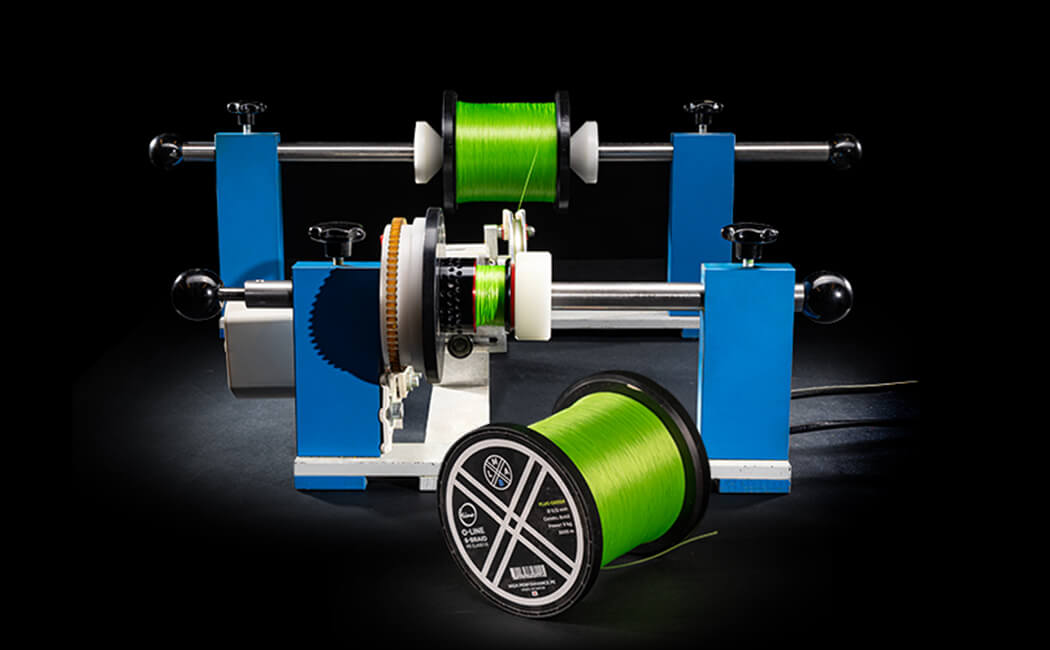
First, the main line. As someone who puts bite detection above everything else, when predator fishing in Germany I only use braided Dyneema line. But how thick should it be — or how thin can you get away with? On this, there are almost as many opinions as there are lure anglers.
To start with a basic principle: you must make sure that your line, your leader and every other element of your tackle has enough breaking strain to avoid line or material failure. Anything less is not fair on the fish and can lead to its suffering.
At the same time, every line and every leader has a certain degree of visibility in the water. The thinner and less visible the materials, the less likely they are to spook fish.
My advice to beginners is to match the breaking strain of your line to the conditions at your home water. If you only considered the weight of a specimen target fish — say, a pike — a breaking strain of around 6 kg would technically be enough for lure fishing. On braid that corresponds to a diameter of 0.10 mm, which might be fine for an experienced angler who knows every snag in their home water. But I'd strongly advise beginners, and anyone wanting a single line for all situations, against cutting it that fine.
Snags
Breaking strain really comes into its own when tackling a different problem entirely: snags. In waters with a lot of snag potential, and in unfamiliar venues, don't be afraid to step things up.
A snag can be the difference between a great day's fishing and an utterly frustrating one. Braid — provided it has enough breaking strain — gives you a good chance of freeing a snagged lure, whether by pulling tight and letting the line spring back against fixed obstacles like stones or roots, or simply by pulling hard when you're caught in weed.
Ultimately, what beginners really want is not to lose their entire rig — or worse, a length of main line — every time they snag up. And depending on the water, beginners will snag up plenty.
Heavier Line: The Better Choice
There's another reason why going heavier can be the sensible, economical choice: braid is expensive, and buying a different spool for every conceivable situation simply isn't realistic for most anglers. If you're using one line for everything, I'd recommend a strong Dyneema with a breaking strain of between 10 and 12 kg.
That said, it's worth bearing in mind that abrasion can significantly reduce breaking strain. The section just above the leader is especially prone to damage from repeated casting, retrieving and fighting fish. Cutting off the last 70 cm of main line every few months — depending on visible wear — will sort this out.
Leader
It's also worth noting that the choice of leader strength, along with the breaking strains of all the individual components, plays an important role. They should be set up so that the weakest point sits just above the lure — or the whole rig is strong enough that a snagged hook can straighten, because in either case you won't lose your entire setup. Even here, though, don't overlook visibility: find a sensible middle ground with a leader colour that suits the water.
Recommendations
To finish with a concrete example, here's a beginner's recommendation for a basic pike rig, including breaking strains for each component:
- For the main line, I'd go with braided Dyneema at 0.15 mm diameter (approximately 10–12 kg breaking strain).
- The snap and swivel between main line and leader should also handle around 10 kg.
- The flexible, braided 7x7 wire trace should be either approximately 6–7 kg (0.27 mm) when fishing clear water and wanting to minimise visibility, or approximately 10–12 kg (0.36 mm) when fishing coloured water and expecting plenty of snags.
- Finally, the last snap before the lure should have a lower breaking strain than every other element in the setup, creating a weak link — unless the hook has already given way by that point.
I know that some self-appointed fishing experts will shake their heads at the breaking strains listed here. For me, what matters is stepping away from those conventions and giving newcomers practical tips they can actually use on the bank. One final note: everything said about breaking strains in this article only holds true if the right knots and crimped connections are used. I'll have more on that from my side very soon.
Until then — tight lines, everyone! See you soon.
Your Daniel